


The Leadership Gap That Shows Up When You Start Growing
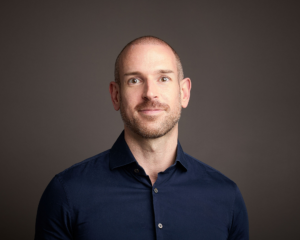
David Buirs is a leadership consultant and coach based in the Amsterdam region, working with managers, executives, and organizations in both Dutch and English. He offers one-on-one leadership coaching, in-company management training, and strategic advisory for HR and senior leadership teams. This article explores why leadership development gets deprioritized during periods of growth, what the data says about the cost of that choice, and what it looks like to close that gap in practice.
There is a specific moment most scale-ups can recognize.
It is not a crisis. It is quieter than that.
It is when someone says: "I do not know who to talk to about this anymore." Or when a decision that used to take 20 minutes now involves four meetings. Or when a manager comes to you because they do not know how to handle someone on their team, and you realize you do not quite know either.
The company grew. The structure did not keep up.
The people managing teams in the middle are doing their best with tools that were designed for a smaller, simpler organization.
From everyone-does-everything to actual departments
In the early days of a company, the flatness is an advantage. No one waits for permission. Information flows because everyone is in the same room. The founder knows everyone by name.
Thirty people in, that changes.
You need specialists. You need structure. You need managers who can actually manage, not just coordinate tasks or relay information up and down.
The problem is that most of those managers grew up in the culture where none of that was necessary. They were promoted because they were great at their work. Because they delivered. Because people liked working with them.
And suddenly they are responsible for performance reviews, conflict resolution, motivation, feedback conversations, and figuring out why someone is not performing. Without a handbook. Without real training. Often without much support from above.
That is not a personal failure. That is a structural gap. And it shows up in established organizations just as much as in scale-ups. Leadership development is rarely treated as a strategic priority until something breaks.
What Gallup found
Every year, Gallup publishes its State of the Global Workplace report. The 2025 edition made headlines in the HR and leadership world, and the findings are hard to ignore.
Global employee engagement fell to 21% in 2024. The main driver: managers are disengaging, and that disengagement cascades. Seventy percent of team engagement is directly tied to the manager. When managers struggle, their teams follow.
The cost came to $438 billion in lost productivity. Globally. In a single year.
Gallup also found that fewer than 44% of managers worldwide have received any formal management training. Among those who have, active disengagement rates drop by half.
The two clearest recommendations from the report: train your managers, and teach them to coach.
Managers who learn coaching skills see their own engagement rise by up to 22%. The engagement of their teams goes up by up to 18%. Those are not marginal improvements. That is a different kind of organization.
Safety, voice, and why it matters for growth
Here is something worth sitting with.
When people feel safe at work, they speak up. They flag things that are not working. They try approaches that might fail. They bring problems before they become crises.
When they do not feel safe, they go quiet. They do what is asked and nothing more. They save the real feedback for their next employer.
In a company where speed and innovation matter, that silence is expensive.
Psychological safety does not mean a comfortable, frictionless workplace. It means people trust that if they raise a concern, try something that does not work, or say something difficult, they will not be punished for it.
Building that trust is a manager skill. It shows up in how a manager responds when someone brings bad news. How they run a one-on-one. How they handle a disagreement in a team meeting.
These things can be learned. They just need to be taught.
How I work with organizations and leaders
I am a leadership consultant and coach based in the Amsterdam region. I work in both Dutch and English, with individual leaders and organizations across the Netherlands and internationally.
For leaders who want to develop more intentionally, I offer leadership coaching. One-on-one, focused on the real challenges you are facing. Whether you are new to the role and figuring out what it actually requires, or years in and ready to lead with more intention and less friction.
For organizations, I offer management training built around your actual context. A program designed from your specific challenges, with measurable outcomes. Not generic content dropped into a room.
And for HR directors and senior leadership teams, I work as a strategic sparring partner. Someone to think with about culture, manager development, and what is actually driving the patterns you are seeing in your organization.
If any of that sounds relevant, I am happy to talk. Plan a free introduction here. No pitch. No proposal. Just a clear conversation about where you are and what might help.





No comment yet, add your voice below!