Self-confidence as a leader: Quiet the balcony critics

David Buirs Leadership Coach

Summary: This article deconstructs the internal critic through the Muppet metaphor and positions mindfulness as an essential cognitive discipline for professional success. It provides a concrete framework to eliminate reactive thinking and restore self-confidence as a leader by establishing conscious distance from negative thought patterns.


What’s the connection between The Muppets and leadership? This isn’t a joke. It’s a diagnostic tool for your brain.

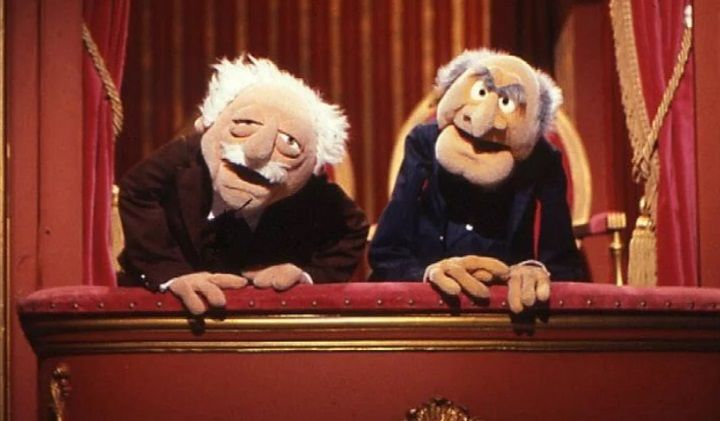
Remember Waldorf and Statler, the two critics in the balcony? They are the perfect metaphor for your mind. They sit there, judging every decision you make, every email you send, and every conflict you avoid.

Evolutionarily, this makes sense. Your brain is a radar scanning for danger. In the past, it was tigers. Today, it’s a negative performance review or a team member who doesn’t take you seriously. This constant scanning erodes your self-confidence as a leader.

The hard truth You cannot silence these critics. They are hard-wired into your biology. But you can change your relationship with them.

Meditation as a cognitive tool Meditation is not about “zen” or “relaxing.” It is about stepping out of that balcony. It is the ability to watch those grumpy guys rant from a distance without letting them grab the steering wheel. Realizing you don’t have to reply to their negativity is the ultimate competitive advantage.

Since I started a daily practice two years ago, my focus has sharpened. The noise decreased. My decision-making became cleaner.

How to start (The no-nonsense method):

  1. Set a timer: Start with 5 or 10 minutes. No excuses.
  2. Posture: Sit comfortably. Close your eyes.
  3. The Breath: Use your breath as an anchor.
  4. Labeling: Thoughts will interrupt. You cannot stop them. Imagine Waldorf and Statler shouting. Label them as “thoughts” and do not engage.
  5. Return: Every time you get distracted, go back to the breath. That is one “rep” for your brain.

Why this matters for your ROI Regular practice increases the grey matter in your brain. It enhances cognitive function. In plain English: it makes you sharper, more resilient, and less prone to stress-driven mistakes. It is a fundamental part of Personal Leadership.

Thinking is a tool. Use it when you need it, then put it away. Don’t let the puppets run the show.

Ready to regain your edge? Give it a go. Or schedule an honest conversation about impact with me.

Check out my Leadership Coaching page, or schedule a free introduction here.
How to Feel More Appreciated at Work: Leading by Example

Leadership coaching Amsterdam | David Buirs

Statistics show that two out of three professionals do not always feel appreciated at work. Feeling valued is a fundamental human need; a lack of it leads to demotivation and the feeling of being unseen. While you cannot force others to show gratitude, you can influence the culture of your team. If you are wondering how to feel more appreciated at work, the answer often lies in taking the initiative yourself.

The Reciprocity of Appreciation

Appreciation is not a one-way street. In my experience as a leadership coach, I often see that the most respected managers are those who actively recognize the value in others. Showing gratitude is as fulfilling as receiving it. It strengthens professional relationships and builds a foundation of trust.

By leading with appreciation, you set a standard. When you make it a habit to acknowledge the contributions of your peers or direct reports, you create an environment where recognition becomes the norm rather than the exception.

A Practical Challenge for Leaders

Gratitude does not always have to be spontaneous to be effective. What matters is that it is genuine. I challenge you to express sincere appreciation to three colleagues over the next ten days. This could be a manager, a direct report, or a peer from a different department.

To help you identify these moments of value, consider the following questions:

  1. Exceeding Expectations: Who recently went above and beyond their role to support you? How did their contribution impact your workload or stress levels?
  2. Character Traits: Which colleague possesses a positive trait, such as patience or analytical sharpness, that you value? Share why you appreciate that specific quality.
  3. Culture and Impact: Who has made a positive impact on the team culture lately? What was the tangible result of their attitude?
  4. Growth and Advice: Who offered valuable insights that helped you progress on a project? Acknowledge how their advice contributed to the final result.

Taking Control of Your Professional Environment

Waiting for appreciation can lead to frustration and a sense of powerlessness. Taking the lead in recognizing others is a form of personal leadership. It shifts the focus from what you are lacking to what you can contribute to the professional climate.

If you find that despite your efforts, the lack of recognition is structural, it might be time to look at your leadership style or the dynamics within your team. My management training programs are designed to help new managers navigate these exact challenges, moving from pleasing behavior to authentic and impactful leadership.

The more you integrate appreciation into your daily routine, the more likely it is to return to you. It is a strategic way to build a culture where everyone feels seen and motivated.

Want experienced support in your journey to become a better leader? Let’s talk. Schedule your free introduction here.

AI and Leadership – How do Managers Prepare for the Future?

AI and Leadership event

AI sometimes reminds me of the game peek-a-boo. Every time you open your eyes, it has moved closer, and much faster than you think.

As a leadership coach and trainer, I’m very interested in AI and its implications for leadership. That’s why I attended the D2 collective’s “Leading the Next Generation of Work” event at the Prosus office this week, listening to senior leaders from companies like Microsoft and Prosus. Again, I’m amazed by how fast things are moving.

Especially around the role of agents: pieces of software you can program using natural language through tools like ChatGPT or Gemini. They execute tasks and work autonomously.

For example, you can say: “When a customer emails about a refund, pull up the customer data, decide whether to approve it based on these criteria. If approved, initiate the refund and reply with a confirmation”.

Without human intervention. Some companies have up to 30,000 different agents. Whatever one learns, others pick up immediately. The speed of learning is tremendous.

In the coming years, most of us will be managing agents. This sounds either amazing or dystopian, depending on your perspective. But the predictions go further: many of us will be managed by an AI agent. We also expect the first billion-dollar company run by a single human, assisted by agents, within the next few years.

This will significantly impact the job market. Technical knowledge on an individual level will become less valuable and companies will likely need fewer employees. We are already seeing this trend.

As agents take on more and more tasks, a human will need to be accountable for the outcome. Job descriptions will shift from a focus on tasks to a focus on accountability.

The traditional role of middle management has been to relay information from the floor to leadership. AI can do this more efficiently, making traditional middle management either obsolete or frees them to focus on coaching and support.

In general, I expect companies to need fewer managers. Because typical managerial tasks can be automated, time is freed up for leadership work like coaching.

My advice to all managers: start developing those human skills now.

We are not powerless. Certain skills will become increasingly relevant to staying valuable in the job market:

• Judgment and critical thinking: A human remains responsible for the outcome. AI can make mistakes.

• Curiosity: Having powerful AI without knowing asking the right questions is like owning a Ferrari you cannot drive. “Garbage in, garbage out” still applies.

• Emotional intelligence: As technical work is automated, what remains are interpersonal tasks like coaching, communication, and brainstorming.

How to start? If you’re not using AI yet, start practicing with LLMs like ChatGPT or Gemini. If you already do, practice creating better prompts or try building your first agent for a simple task.

In my leadership coaching and management training, I help my clients to stay relevant over the coming years.

Interested? Let’s talk. Schedule your free introduction here.

AI and the Future of Leadership

EY - Future of Work Event Amsterdam

This week I joined the “𝗪𝗵𝗮𝘁 𝗖𝗮𝗻’𝘁 𝗕𝗲 𝗥𝗲𝗽𝗹𝗮𝗰𝗲𝗱 𝗯𝘆 𝗔𝗜” event at EY’s Amsterdam office, hosted by Maarten Lintsen, with sharp insights from Anna van den Breemer- Kleene, Isabel Moll – Kranenburg, and Rina Joosten-Rabou.

I went because I’m fascinated, sometimes a bit scared even, by how fast this field is moving and what it means for leadership, work, and meaning. Here’s what I picked up.

𝟭. 𝗧𝗵𝗲 𝗺𝗲𝘁𝗮-𝘃𝗶𝗲𝘄

A theme that surfaced in the panel and in a side conversation with Marielle Willemse: leaders need the capacity to zoom out. To look at their strategic goals, and find creative ways of making AI work for them. To avoid AI tunnel vision.
Take recruitment. If efficiency is the only aim, we automate CV screening. Yet CVs predict about 3 percent of job success. Faster, not smarter. The better question is how AI helps us hire people with those skills that can transform and innovate an organisation. Use AI to assess skills and potential, not to count CV buzzwords.

𝟮. 𝗟𝗲𝗮𝗱𝗲𝗿𝘀𝗵𝗶𝗽

Only those leaders that adapt fast enough to AI will remain. Relevance requires AI literacy. Which isn’t coding, but understanding how you can make it work for you. Leaders must make it safe to experiment. If teams are scared to try, adoption among employees slows.

𝟯. 𝗞𝗻𝗼𝘄𝗹𝗲𝗱𝗴𝗲 𝗮𝗻𝗱 𝗽𝗿𝗼𝗱𝘂𝗰𝘁𝗶𝘃𝗶𝘁𝘆

Knowledge will lose most of its value, for individuals. AI gives us access to collective intelligence, so value shifts from knowing to interpreting and asking the right questions. Meanwhile, Europe’s productivity growth is slowing. How can we use AI and agents to turn this around?

𝟰. 𝗖𝘂𝗹𝘁𝘂𝗿𝗲

Culture is how we create meaning together, yet it is slippery. AI can help define it. It can show what your culture is today, which behaviors match your future state, and how to monitor and steer progress. Less guessing, more knowing.

𝟱. 𝗘𝗺𝗽𝗮𝘁𝗵𝘆

AI can do a lot, but it can’t show empathy… right?
In one study, patients rated AI doctors as more empathetic than human ones. To be fair, doctors have limited time, AI doesn’t. But still..

𝟲. 𝗖𝗼𝗻𝗻𝗲𝗰𝘁𝗶𝗼𝗻

In the next few years most of us will have personal AI agents that book meetings, analyze data, and complete tasks. My personal view: They will talk, write, and appear on video indistinguishably from humans.
Isn’t there anything they can’t do? I think only face-to-face human connection will remain uniquely human. Having a conversation, sharing a coffee.

𝟳. 𝗠𝗲𝗮𝗻𝗶𝗻𝗴

AI and robots will be able to do almost everything humans do faster and cheaper. We will need new sources of meaning beyond productivity. Keep developing the parts that make us human: creativity, curiosity, empathy, connection.

𝟴. 𝟮𝟬𝟯𝟬 𝗮𝗻𝗱 𝗯𝗲𝘆𝗼𝗻𝗱..

AI’s impact in the next decade will be faster and bigger than most of us realize, I think. The question is not whether AI replaces us, but whether we evolve quickly enough to stay meaningfully human alongside it.

—————-

Want your managers to be ready for the coming years? AI adoption is a part of the leadership programs I create and deliver, and comes up in 1-on-1 leadership coaching I offer to ambitious early-career managers. Schedule a free introduction call here. I’d love to tell you more.

The Mindset Shift That Transforms Leadership: Moving Beyond Criticism

“That’s not gonna work, because…”

I used to say that often. Made me feel good. Like I was the one who caught what others didn’t.

I did it even with the teams I was leading.

Lots of self-reflection and feedback later, I saw what I was actually doing: trying to sound smart. Point out the flaw, drop criticism, walk away. No real contribution. It led me to a leadership mindset shift.

Spotting risks is still important. Some people lean too optimistic, and having someone who notices the weak spots keeps things balanced. But without ideas for what will work, you’re not helping anyone move forward. Guiltyyyyy.

Now I try to pause and ask myself:
“What part of this could actually work?”
“How can we tweak the part that doesn’t work, so that it does?”

It shifts the whole dynamic of the conversation. More challenging, but also much more rewarding. Moves problems forward, builds more ownership within the teams you lead.

Less I, more We.

Ready for your leadership mindset shift? Schedule a free introduction call here: https://davidbuirs.com/contact/ and let’s chat.

How to Handle Criticism at Work

David Buirs | Leadership Expert

How to handle criticism at work… It’s a question I often get. My reply: 𝗪𝗵𝗮𝘁 𝗶𝗳 𝗳𝗲𝗲𝗱𝗯𝗮𝗰𝗸 𝗼𝗻𝗹𝘆 𝗵𝘂𝗿𝘁𝘀 𝗯𝗲𝗰𝗮𝘂𝘀𝗲 𝗼𝗳 𝘁𝗵𝗲 𝘄𝗮𝘆 𝘄𝗲 𝗹𝗮𝗯𝗲𝗹 𝗶𝘁?

Two people hear the same sentence from their boss. One feels judged. The other feels motivated. The words are identical. The reaction isn’t. Why?

Because the label, criticism or feedback, can’t be found in the words. It’s created in the mind of the receiver.

This is where the real power lies. You decide how much weight to give feedback. Some of it will be clumsy. Some will be unfair. Some will be pure gold. If you can sort, not absorb everything, you win. To take what serves you, and let the rest pass.

We often forget no one is perfect. Not you, not me, not the person giving feedback. We’re all trying our best, often imperfectly. Holding onto the illusion that you should look flawless makes feedback feel like a personal attack. Drop the illusion, and feedback becomes easier to hear.

Because in the end, the leaders who grow are not the ones who protect their image. They’re the ones who keep asking, “What can I learn here?” Over time, that choice changes everything.

Of course, this change doesn’t happen overnight. Curiosity is a muscle, and muscles strengthen slowly. So here’s an invitation: over the next five months, practice trading a little defensiveness for a little more curiosity each time feedback comes your way.

𝗠𝗼𝗻𝘁𝗵 𝟬 – 𝟭𝟬𝟬% 𝗱𝗲𝗳𝗲𝗻𝘀𝗶𝘃𝗲: “I don’t think that’s accurate.”
𝗠𝗼𝗻𝘁𝗵 𝟭 – 𝟴𝟬% 𝗱𝗲𝗳𝗲𝗻𝘀𝗶𝘃𝗲 / 𝟮𝟬% 𝗰𝘂𝗿𝗶𝗼𝘂𝘀: “I don’t really agree with that… but can you give me an example?”
𝗠𝗼𝗻𝘁𝗵 𝟮 – 𝟲𝟬% 𝗱𝗲𝗳𝗲𝗻𝘀𝗶𝘃𝗲 / 𝟰𝟬% 𝗰𝘂𝗿𝗶𝗼𝘂𝘀: “That feels off to me. What do you see that makes you say it?”
𝗠𝗼𝗻𝘁𝗵 𝟯 – 𝟰𝟬% 𝗱𝗲𝗳𝗲𝗻𝘀𝗶𝘃𝗲 / 𝟲𝟬% 𝗰𝘂𝗿𝗶𝗼𝘂𝘀: “It’s hard to hear, though I think there may be truth in it. Can you tell me more?”
𝗠𝗼𝗻𝘁𝗵 𝟰 – 𝟮𝟬% 𝗱𝗲𝗳𝗲𝗻𝘀𝗶𝘃𝗲 / 𝟴𝟬% 𝗰𝘂𝗿𝗶𝗼𝘂𝘀: “I hadn’t thought of it that way. What else are you noticing?”
𝗠𝗼𝗻𝘁𝗵 𝟱 – 𝟬% 𝗱𝗲𝗳𝗲𝗻𝘀𝗶𝘃𝗲 / 𝟭𝟬𝟬% 𝗰𝘂𝗿𝗶𝗼𝘂𝘀: “That’s helpful. What’s one thing I could do differently next time?”

So…how to handle criticism at work? With curiosity.

Five months of practice might feel small now, but in five years, it could be the reason your career looks entirely different.

The Leadership Paradox: Why Bad Managers Don’t See Themselves That Way

If I’d ask you: ‘did you ever have a bad manager?’, the answer is likely to be “yes!”.
Maybe followed by: “And I’ve also had a great one.” The likely difference? Selfawareness for those managers.

The difference in impact between the two is huge.

What’s strange is how few managers see themselves as “bad,” even if the people around them do. If bad managers are so common, why do so few managers see themselves that way?

Because of this strange paradox: often the more people need to improve, the less they are aware of that. It’s not denial, but a lack of self-awareness.

If you don’t reflect, you don’t notice. And if you don’t notice, you don’t improve.

Meanwhile, leaders with strong self-reflection tend to do the opposite. They see their gaps and actively work on them. That’s why teams experience them as better managers over time.

So how do you find out what people really think of you? Not easy. People rarely tell the truth to your face, especially if you’re higher up.

Anonymous employee engagement surveys can shed some light. But there’s a better and simpler way. Ask several people, including your direct reports, peers and manager: “What’s the one thing I should work on?”

Listen. Find the pattern or theme among the feedback. Create a plan. Measure progress.

I’ve seen managers transform just by working on one repeated piece of feedback. Within months, their teams went from frustrated to regaining their trust.

With time, such a plan can flip the narrative: from being the boss people talk about behind their back, to the one people are grateful for.

→ What feedback during your time as manager has shaped your leadership the most?

Want to become better at leadership? Selfawareness for managers is the key. And it can be improved. Interested? Plan a free intake at www.davidbuirs.com/contact.